The Cobin Brief · Thursday, May 21, 2026
BoE holds at 4.25% — Bailey's 'finely balanced' is a Cantillon problem
The Bank of England's split MPC vote masks the same asset-holders-vs-savers redistribution dynamic that's been compounding since 2020.
The Bank of England held its bank rate at 4.25% on Thursday, with a 5-4 MPC vote and Governor Andrew Bailey calling the path forward “finely balanced.” Headline UK CPI came in at 3.5% for April, well above the 2% target. The cautious hold is being read as dovish — markets now price in two more cuts by year-end.
Here is what the technocratic framing obscures. When a central bank holds nominal rates below realised inflation, it is choosing — every single morning — to transfer purchasing power from savers and wage-earners to asset-holders and leveraged borrowers. This is the Cantillon effect: newly created or cheaply rolled-over credit reaches its first recipients (banks, corporates, mortgaged homeowners) before it reaches everyone else, so the first recipients buy in at yesterday's prices.
The MPC won't say this aloud, because admitting that monetary policy has identifiable winners and losers — rather than abstract “output gaps” — would politicise their independence. Bailey's choice of “finely balanced” is the language of a committee that wants discretion preserved. Time inconsistency (the gap between what a policymaker promises and what he later finds optimal to do) is doing real work here: every member of the MPC knows that cutting into above-target inflation is a credibility risk, and they're hedging by signalling without committing.
The bigger story isn't the 25-bps decision. It's that British households are now five years into a regime where their savings have lost ground to inflation and their wages have not kept up. Bailey's predecessor warned about this in 2022. Bailey isn't going to.
6–12 month forecast: Two BoE cuts by Q4 2026 — taking bank rate to 3.75% — with sterling weakening 4-6% against the euro as the ECB holds firmer; expect renewed political pressure on Reeves to compensate savers via cash-ISA reform.
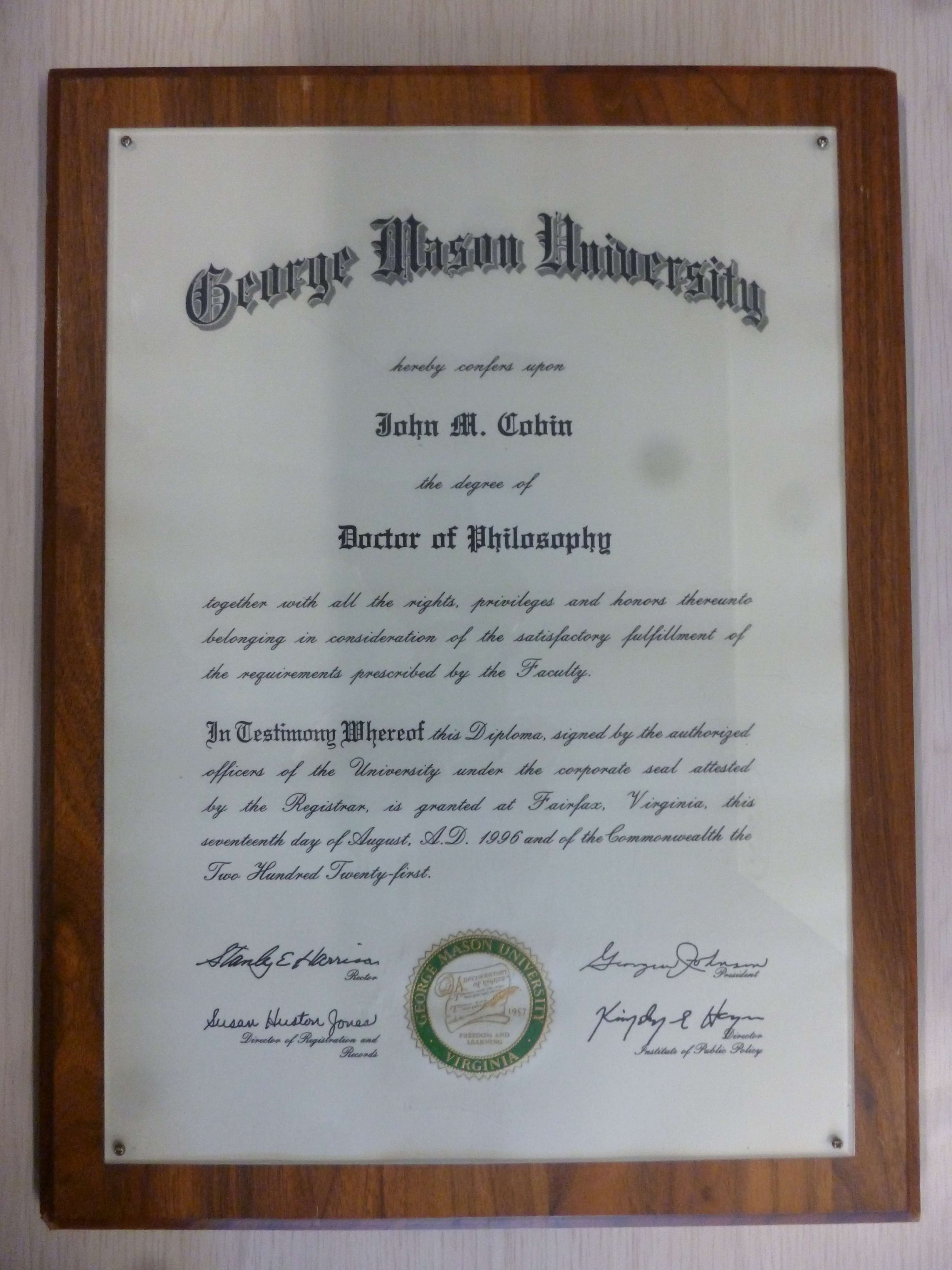
— Dr. John M. Cobin, PhD (GMU). Public-choice / Austrian / new-institutional commentary, not investment advice. Subscribe to The Cobin Brief →